

Understanding Giclee Printing Services

Giclee printing has become a popular choice for artists, photographers, and collectors who want to reproduce artwork with exceptional quality and longevity. This printing method offers vibrant colors, fine details, and archival durability that traditional printing techniques often cannot match. Whether you are considering giclee prints for your art collection or looking to produce your own work, understanding the process and benefits is essential.
What Is Giclee Printing? A Comprehensive Giclee Printing Guide
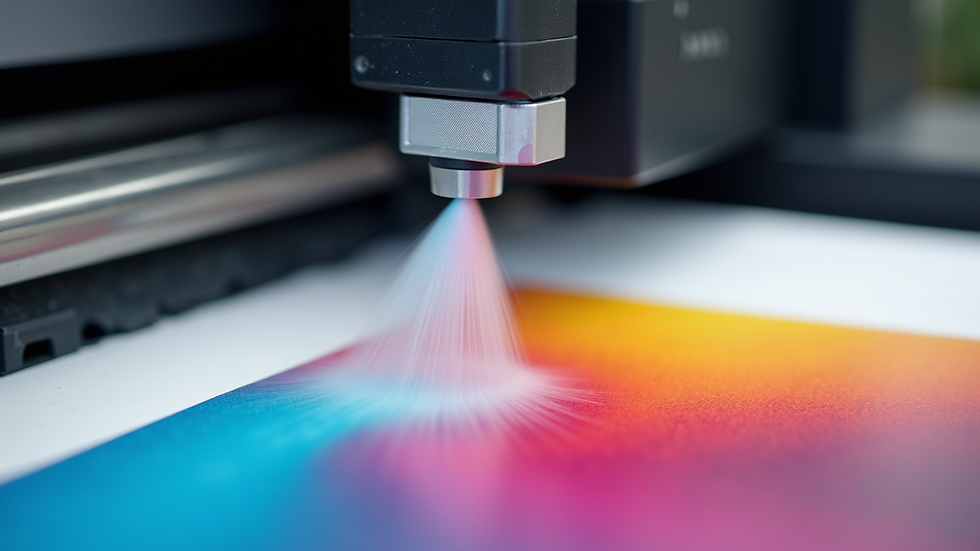
Giclee printing is a high-quality inkjet printing process used primarily for fine art reproductions. The term "giclee" comes from the French word gicler, meaning "to spray," which refers to the way ink is sprayed onto the paper or canvas. Unlike standard inkjet prints, giclee prints use specialized archival inks and papers designed to last for decades without fading.
The process involves:
Using high-resolution digital files to capture every detail of the original artwork.
Printing with pigment-based inks that offer a wider color gamut and better UV resistance.
Employing archival-quality substrates such as cotton rag paper or canvas.
This method ensures that the final print closely matches the original piece in color accuracy and detail.
How to Choose the Right Materials for Giclee Printing
Selecting the right materials is crucial for achieving the best results with giclee printing. The choice of paper or canvas affects the texture, color vibrancy, and longevity of the print.
Paper Options
Cotton Rag Paper: Known for its smooth texture and durability, cotton rag paper is a favorite among artists. It absorbs ink well and provides a natural feel.
Watercolor Paper: This textured paper mimics traditional watercolor surfaces, adding depth to the print.
Fine Art Paper: Often made from alpha-cellulose, this paper is bright white and smooth, ideal for detailed photographic prints.
Canvas Options
Matte Canvas: Offers a non-reflective surface, perfect for paintings and photographs that require a soft finish.
Glossy Canvas: Provides a shiny finish that enhances color saturation but may reflect light.
When choosing materials, consider the intended display environment and the type of artwork. For example, a textured canvas might suit a landscape painting, while a smooth cotton rag paper could be better for detailed portraits.
Are Giclee Prints Worth It?
Many people wonder if investing in giclee prints is worthwhile compared to other printing methods. The answer depends on your priorities for quality, durability, and budget.
Advantages of Giclee Prints
Exceptional Color Accuracy: Giclee prints reproduce colors with remarkable fidelity, capturing subtle gradients and tones.
Longevity: Using archival inks and papers, giclee prints can last over 100 years without significant fading.
Fine Detail: The high resolution of giclee printing preserves intricate details that other methods might lose.
Customization: Prints can be made in various sizes and on different substrates to suit specific needs.
Considerations
Cost: Giclee printing is generally more expensive than standard inkjet or laser printing due to the quality of materials and equipment.
Production Time: The process can take longer, especially for large prints or custom orders.
If you value museum-quality reproductions and want your prints to stand the test of time, giclee printing is a worthy investment.

How to Care for Your Giclee Prints
Proper care is essential to maintain the beauty and longevity of giclee prints. Here are some practical tips:
Avoid Direct Sunlight: UV rays can degrade even archival inks over time. Display prints in shaded areas or use UV-protective glass.
Control Humidity: High humidity can cause paper to warp or canvas to sag. Keep prints in a stable environment with moderate humidity.
Use Acid-Free Materials: When framing, use acid-free mats and backing to prevent yellowing.
Handle with Clean Hands: Oils and dirt can damage the surface. Use gloves or handle prints by the edges.
Regular Dusting: Gently dust prints with a soft brush or microfiber cloth to keep them clean.
Following these guidelines will help preserve your giclee prints for many years.
Where to Find Professional Giclee Printing Services
Finding a reliable provider is key to getting the best results. Professional giclee printing services offer expertise in color management, material selection, and finishing options. They often provide:
Proofing services to ensure color accuracy before final printing.
Custom sizing and substrate choices.
Archival-quality inks and papers.
Expert advice on framing and display.
When selecting a service, look for reviews, sample prints, and customer support to ensure your artwork is handled with care.
Final Thoughts on Giclee Printing
Giclee printing is a remarkable technology that bridges traditional art and modern digital reproduction. It offers artists and collectors a way to enjoy high-quality, long-lasting prints that faithfully represent the original work. By understanding the process, materials, and care requirements, you can make informed decisions and appreciate the value of giclee prints in your collection or creative projects.


Comments